Recognizing Business Entities: Frameworks, Features, and Importance
Corporations are complex entities that play a critical function in the modern economic climate, influencing markets, work, and economic climates at big. Basically, a company is a lawful entity that is different from its owners, qualified of legal rights and responsibilities as if it were a human being. This framework allows corporations to have residential or commercial property, enter agreements, and take legal action against or be sued separately of the people that have them or help them. The principle of a firm has actually advanced over centuries, initially developed to satisfy the management requirements of federal government entities prior to coming to be basic to commercial ventures. The importance of corporations can not be overstressed; they activate substantial amounts of sources, drive innovation through research study and growth, and provide goods and services that accommodate a myriad of consumer requirements. Additionally, firms can release stock to increase capital, allowing them to increase and invest in brand-new ventures without needing the creators to birth all the financial threat themselves.
Firms come in numerous kinds, including exclusive and public entities, each regulated by a collection of regulations particular to the nation in which they are established. Public corporations are publicly traded on supply exchanges, and their shares can be acquired and marketed by the general public. This kind of firm is needed to divulge substantial amounts of information to fulfill the requirements of governing bodies, ensuring transparency and liability. On why us company profile , private corporations do not provide public shares and are typically much less regulated in terms of disclosure. They frequently remain under the control of a couple of people or a family members. These, various other kinds like nonprofits and cooperatives offer certain objectives, concentrating much more on area and solution rather than earnings. Browsing company laws, recognizing the influences of corporate taxes, and the details of business governance are important for any individual engaged with or used by a firm. Thus, the study of business entities is not just relevant for capitalists and entrepreneur but also for policymakers and the basic public who connect with these entities daily.
Understanding the Framework and Function of Modern Firms
Corporations are complex entities that play a critical duty in the worldwide economic situation, influencing every aspect of modern life from work opportunities to technical technology. At its core, a corporation is a lawful entity distinctive from its owners, with the ability of exercising a lot of the legal rights and duties that individuals possess. This includes entering into agreements, obtaining money, and owning possessions. The advantage of this framework is that it gives a protective shield for the individual properties of the investors versus the corporation's obligations. Corporations are generally structured in a hierarchical way, with a board of directors on top in charge of making the significant choices and managing the basic course of business. Below the board, different levels of management handle the daily procedures, making sure that the company's calculated objectives are implemented effectively. 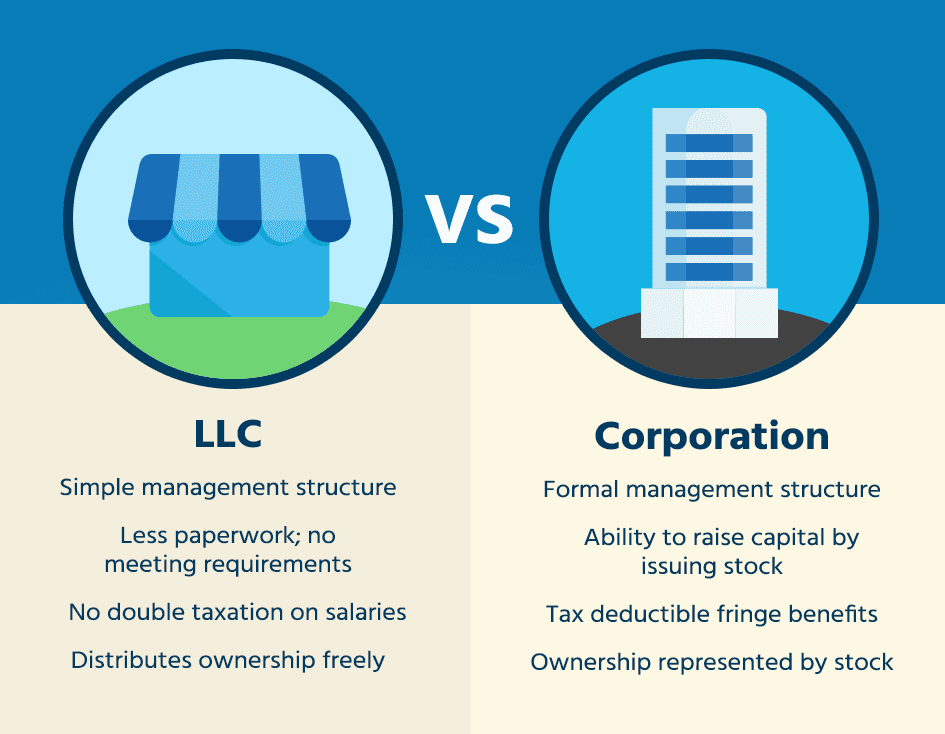 The interior workings of a firm are regulated by its bylaws, which are developed by the board of supervisors. These bylaws lay out the regulations for business administration, decision-making procedures, and the obligations of policemans and supervisors. Compliance with both inner laws and external regulatory demands is important for keeping the legitimacy and honest standing of the corporation. Companies need to stabilize their responsibilities to shareholders, who anticipate a return on their financial investment, with the requirements of various other stakeholders, including workers, clients, and the communities in which they operate. This balance is vital in sustaining lasting growth and stability within the marketplace. Companies likewise encounter the challenge of adaptability and advancement, especially in quickly transforming fields like innovation and worldwide financing. The capacity to pivot in feedback to market needs and technical innovations is typically what separates effective corporations from those that fall short. Furthermore, in a progressively interconnected world, international companies should browse a complex web of worldwide laws and profession agreements. The worldwide reach of these corporations suggests their impact expands far beyond their prompt areas, usually shaping financial policies and labor practices in several nations. This extensive influence makes comprehending the complex information of just how companies operate much more important than ever for those involving with or influenced by their tasks.
Functional and architectural Characteristics of Modern Companies
In the elaborate world of modern business, the structure and operational mechanisms of firms play a crucial duty fit their success and adaptability in quickly changing markets. At their core, corporations are structured with an ordered system where the board of supervisors holds the best decision-making power, managing business executives that take care of the everyday procedures. This conventional pyramid-like framework guarantees a clear delineation of responsibilities and duties, which is vital for large-scale companies. Nonetheless, the functional dynamics of these entities are significantly complicated, entailing a myriad of critical, financial, and supervisory tasks. Strategic decision-making, for example, includes not only market analysis and financial investment choices yet likewise the combination of sustainable techniques and technical technology to remain affordable. Financial procedures, as well, are a backbone of business functionality, including every little thing from spending plan management and earnings projecting to run the risk of evaluation and conformity with global economic coverage standards. In addition, personnels administration has actually advanced from plain hiring and shooting to a critical component that includes talent acquisition, training and growth, efficiency administration, and cultivating a business culture that aligns with the company's objectives and moral requirements. Such multidimensional operations need companies to be highly versatile, typically necessitating agile methodologies that enable fast pivoting and decision-making in reaction to market or environmental shifts. In an age dominated by details modern technology, firms are significantly leveraging innovative data analytics, fabricated intelligence, and device understanding to enhance operations and improve decision-making procedures. This integration of modern technology not only enhances procedures yet also presents new challenges and chances in locations like cybersecurity and digital makeover. Hence, the operational characteristics of modern-day firms are marked by a continual balancing act between keeping tried-and-tested approaches and introducing to satisfy future difficulties.
Recognizing the Framework and Workflow of a Corporation
A corporation, by definition, is an intricate legal entity separate from its owners, qualified of having properties, sustaining obligations, hiring employees, going into agreements, and taking legal action against or being filed a claim against. This elaborate framework is maintained via a well-defined hierarchy and adherence to rigorous regulative criteria, which vary significantly from region to area. At the heart of every corporation is its board of supervisors, a team of people elected by the shareholders to oversee the broad policies and direction of the service. These supervisors appoint senior management, including a President (CHIEF EXECUTIVE OFFICER), that manages the everyday procedures and implementation of the business's lasting methods. In addition, corporations are characterized by their ability to issue shares of stock, a move that permits them to increase resources from exclusive and public capitalists. This attribute not just fuels development and development however additionally waters down possession, distributing it among possibly thousands of shareholders. Hence, while it uses the benefit of restricted obligation to its owners, suggesting they are secured from personal losses beyond their financial investment in the firm, it additionally necessitates a greater level of administration and transparency. Regulatory conformity, monetary disclosures, and board oversight are hence extremely inspected to make certain liability and safeguard stakeholder rate of interests. Understanding these dynamics is vital for anybody engaged with or affected by the business market— be it an investor, staff member, regulatory authority, or customer.
Strategic Initiatives and Future Overview of the Company
The company's plan for continual growth and market dominance is deeply embedded in its tactical campaigns and future projections. These strategies are diligently crafted to align with emerging market patterns, technological improvements, and altering customer preferences. As the global economic landscape evolves, the company is acutely focused on broadening its electronic impact, improving its sustainability efforts, and building durable partnerships to bolster its supply chain strength. One of the essential pillars of its technique is the hostile financial investment in research study and growth (R&D) to foster technology in item offerings and functional efficiencies. This not only places the company as a leader in its market yet additionally as a leader in taking on sophisticated innovations that redefine how solutions are supplied. In addition, the corporation is checking out new markets by tailoring its products to satisfy regional requirements and choices, which is prepared for to drive development in untapped markets. An additional significant facet of its strategy is the focus on customer-centricity, aiming to supply exceptional consumer experiences through personalized services and aggressive involvement methods. By incorporating advanced analytics and expert system, the company is established to transform data right into actionable insights, thus optimizing decision-making procedures and enhancing customer contentment. These strategic ventures are expected to strengthen the firm's market setting, making certain long-lasting earnings and investor value in a increasingly affordable and vibrant international environment.